

Views: 9023 Author: Site Editor Publish Time: 2025-02-13 Origin: Site
Abstract
As the global energy sector advances towards decarbonization and clean efficiency, hydrogen has emerged as a critical pathway to achieving carbon neutrality. The hydrogen value chain, now maturing rapidly, requires compression at multiple stages to meet diverse application needs, from pipeline transmission to end-use fueling. Among various compressor technologies, mechanical compressors, due to their maturity and reliability, are widely deployed for hydrogen service. This article summarizes and compares the characteristics and application status of commonly used mechanical compressors—including centrifugal, reciprocating piston, diaphragm, and screw types—for hydrogen compression. Based on technical parameters such as required pressure, purity, flow rate, and operational dynamics, alongside non-technical factors like cost and footprint, selection recommendations are provided for key application scenarios within the hydrogen value chain. Understanding these compressor profiles is essential for designing efficient, reliable, and economical hydrogen infrastructure.
Keywords: Hydrogen Compression, Centrifugal Compressor, Reciprocating Piston Compressor, Diaphragm Compressor, Screw Compressor, Selection Guidelines
1. Introduction
The global consensus on climate action, exemplified by agreements like the "UAE Consensus" from COP28, underscores the urgent shift towards renewable energy and clean technologies. Hydrogen, as a versatile and clean energy carrier, is pivotal in this transition. While hydrogen use in industries like refining and chemicals is well-established, its role is expanding significantly under the "dual-carbon" goals. A consistent requirement across its value chain is the need for compression to increase its low volumetric energy density for practical storage, transport, and use.
2. Key Application Scenarios for Hydrogen Compression
Compression is essential in four primary scenarios within the hydrogen value chain:
Grid Injection: Hydrogen produced from electrolyzers (e.g., ~20 bar from Alkaline stacks) or Steam Methane Reformers must be compressed to 80–100 bar for injection into transmission pipelines.
Pipeline Boosting: Similar to natural gas pipelines, long-distance hydrogen pipelines require compressor stations along the route to maintain pressure. This includes handling fluctuating hydrogen blends in existing natural gas pipelines being repurposed for hydrogen transport.
Underground Storage: For large-scale storage in geological formations like salt caverns, hydrogen from pipelines (~80-100 bar) needs compression to higher pressures, typically 200–300 bar, for injection.
End-Use Applications: Final users have varying pressure requirements. For instance, gas turbines need fuel gas at 20–30 bar, while hydrogen refueling stations (HRS) require compression to 700–900 bar for vehicle tanks. Compression is often needed after pipeline offtake or gas separation.
3. Overview of Mechanical Hydrogen Compressors
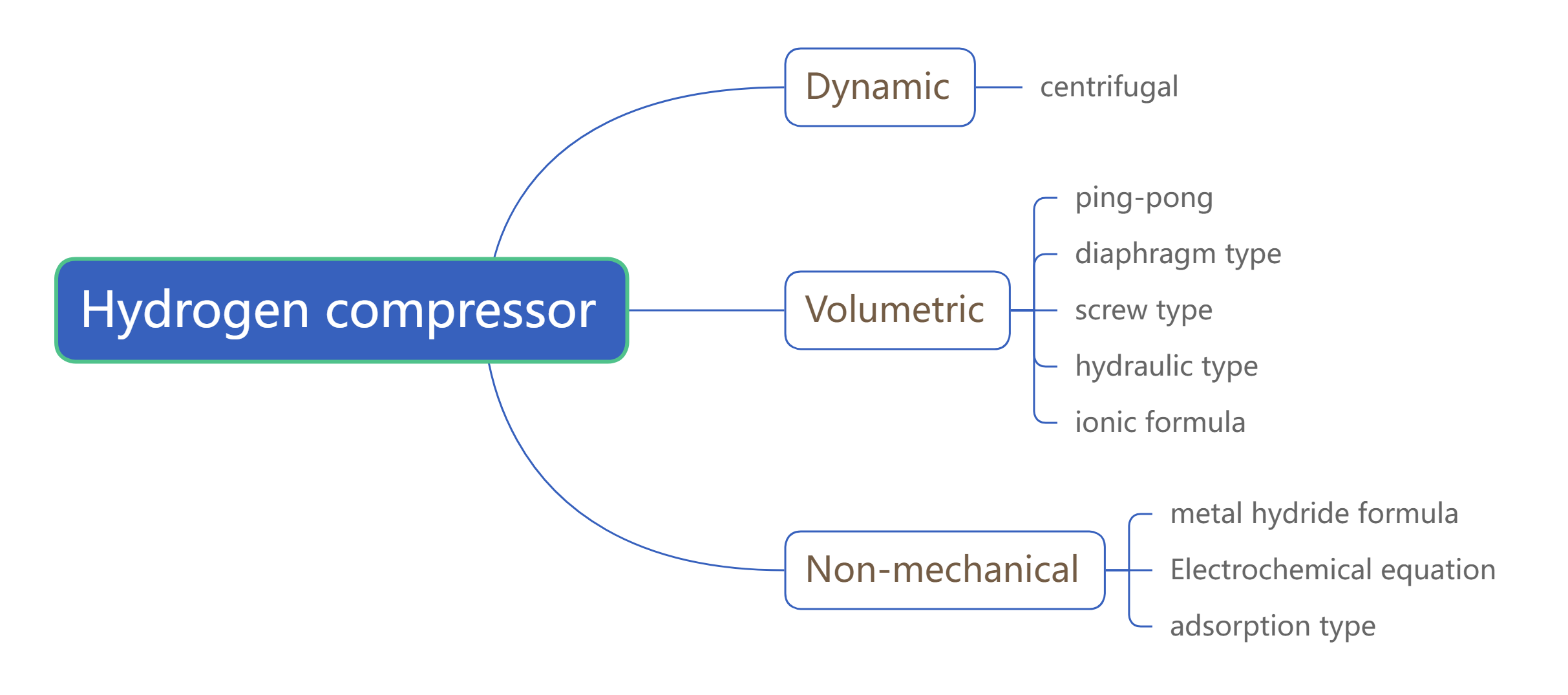
Mechanical compressors, converting mechanical energy into gas pressure, are the most prevalent. They fall into two main categories: dynamic (primarily centrifugal) and positive displacement (including reciprocating, diaphragm, and screw).
3.1 Dynamic Compressors: Centrifugal
Characteristics: High flow capacity, smooth operation, high reliability, and lower maintenance costs.
Status in H2: Has decades of application history but primarily for hydrogen-rich gas streams (e.g., 85-90% H2 in refinery recycle gas). Compressing pure hydrogen is challenging due to its low molecular weight, requiring very high rotational speeds or many stages to achieve significant pressure rise, posing material (hydrogen embrittlement) and rotor-dynamic design challenges. Large-scale, pure-hydrogen centrifugal compressors for pipeline service are under active development.
Typical Use: Large-scale, steady-state compression of hydrogen-rich gases at medium-to-low pressures.
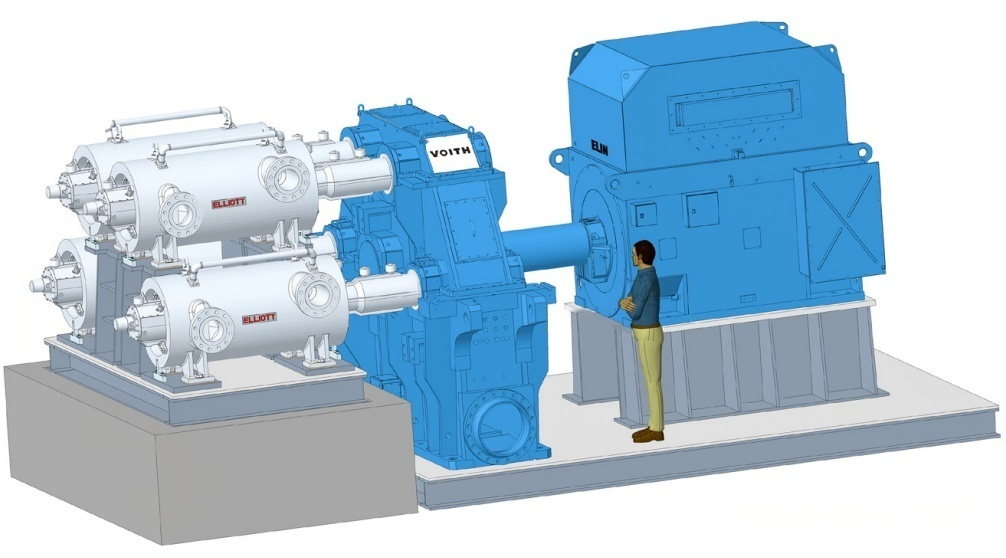
Figure 1 Flex-Op Centrifugal Compressor for Hydrogen Service developed by Elliott and Voith Turbo(Source: Elliott)
3.2 Positive Displacement Compressors
3.2.1 Reciprocating Piston Compressors:
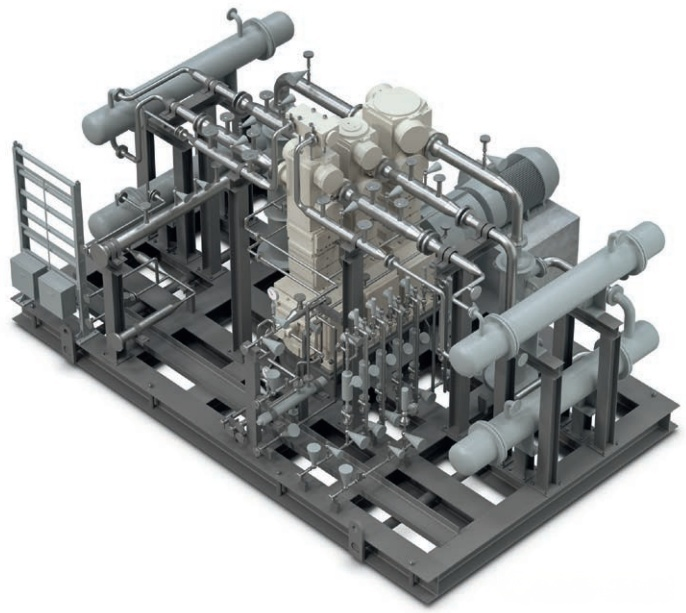
Figure 2 Reciprocating Piston Compressor for Trailer Filling and Hydrogen Refueling Station( Source: Burckhardt Compression AG)
Characteristics: Broad pressure range (up to high pressure), high efficiency, good adaptability to flow and gas composition changes. Available in lubricated and oil-free versions, the latter ensuring hydrogen purity.
Status in H2: The longest-serving hydrogen compressor technology. Recent advancements enable oil-free versions to reach discharge pressures above 500 bar for applications like trailer filling. Drawbacks include gas pulsation (requiring careful piping design), relatively higher maintenance frequency, and a more complex auxiliary system.
Typical Use: Medium-flow, medium-to-high pressure pure/hydrogen-rich gas compression (e.g., H2 plant output, pipeline boosting, HRS pre-cooling stage).
3.2.2 Diaphragm Compressors:
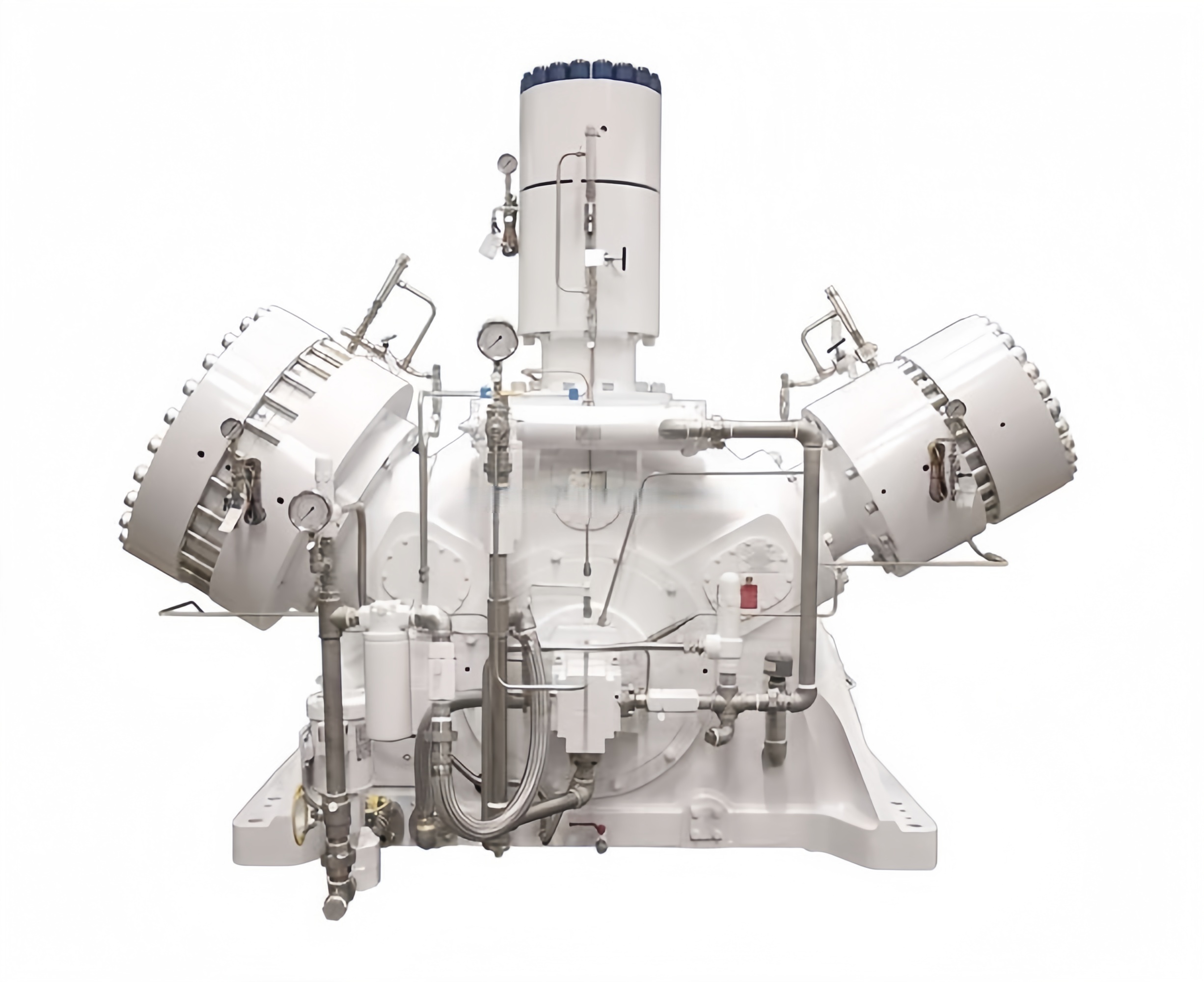
Figure 3 Three Stages Diaphragm Compressor for Hydrogen Refueling Station(Source: PDC)
Characteristics: A metal diaphragm completely isolates the hydrogen from the hydraulic oil, ensuring ultra-high purity. Achieves very high discharge pressures (up to 1000 bar) with a high compression ratio per stage.
Status in H2: The dominant and mature technology for the final high-pressure boost (700-900 bar) at hydrogen refueling stations. The main limitation is the periodic diaphragm wear, requiring planned replacement, and relatively lower flow capacity.
Typical Use: Low-flow, ultra-high pressure pure hydrogen compression, especially for vehicle dispensing at HRS.
3.2.3 Screw Compressors (Oil-Injected):
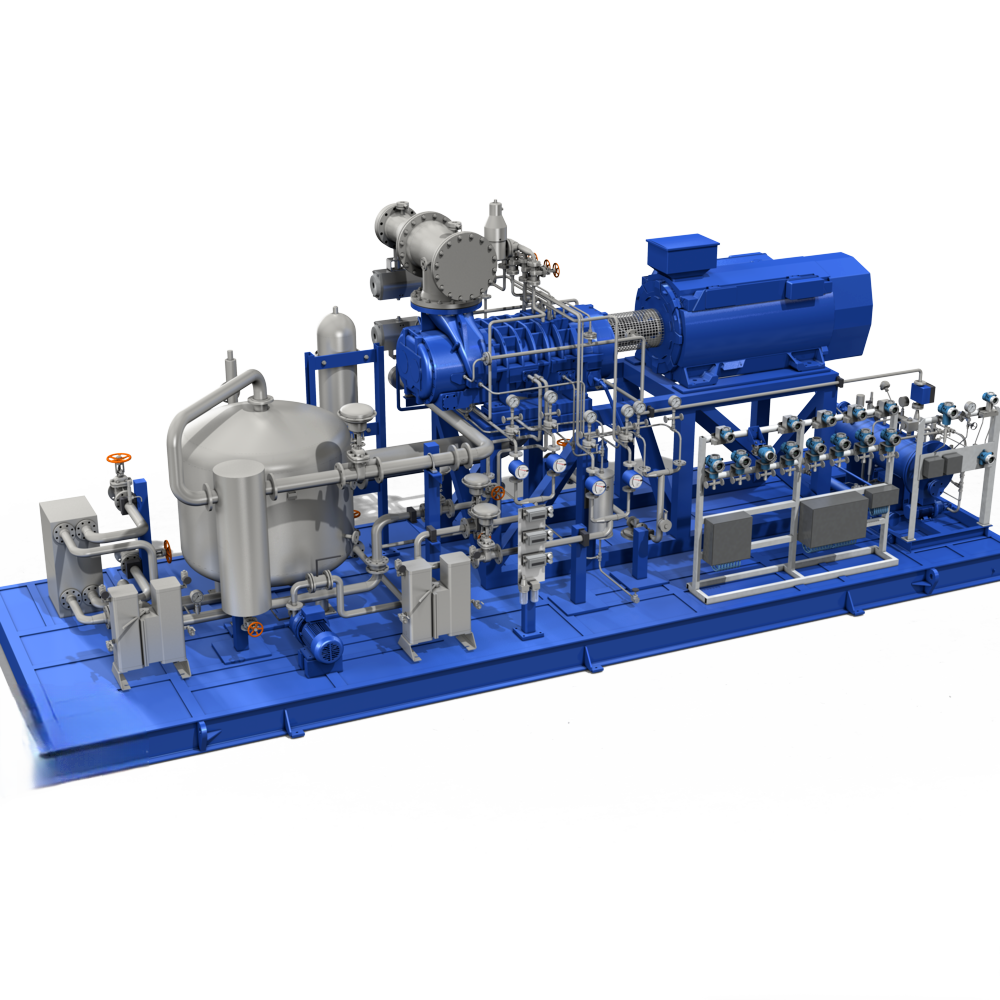
Figure 4 Screw Compressor Package for Hydrogen Compression (Source: Aerzen)
Characteristics: Smooth operation, reliable, good flow modulation via a slide valve, lower maintenance than reciprocating types. Injected oil cools the gas and provides sealing.
Status in H2: Typically used for pure hydrogen compression at medium pressures (≤ 30 bar, with advanced models to 100 bar). Their high single-stage pressure ratio and tolerance to suction pressure swings make them a competitive alternative to reciprocating compressors in specific ranges.
Typical Use: Medium-flow, low-to-medium pressure pure hydrogen boosting (e.g., from electrolyzer output to grid pressure).
4. Compressor Selection for Different Applications
Application Scenario | Typical Pressure Range | Recommended Compressor Type(s) | Key Considerations |
H2 Production (Grid Injection) | 20 → 80-100 bar | Reciprocating (Oil-free) | Handles intermittent operation from renewable sources; maintains purity. |
Pipeline Boosting | 80-100 → 80-100 bar (Maintain) | Centrifugal (for H2-rich), Reciprocating (for pure H2) | Centrifugal preferred for high-volume H2-rich gas. Reciprocating is the current choice for pure H2 until large centrifugal units mature. Must handle varying H2 blend ratios. |
Underground Storage Injection | 100 → 200-300 bar | Reciprocating Compressor | Mature technology for high discharge pressure at medium flow rates. |
HRS (Booster / Cascade Fill) | 20-30 → 450-500 bar | Reciprocating (Oil-free) or Liquid-Driven Piston | Compresses hydrogen from trailers or pipelines to station storage pressure. |
HRS (Vehicle Dispensing) | 450-500 → 700-900 bar | Diaphragm Compressor | The standard technology for reliable ultra-high pressure delivery. |
Industrial User (e.g., Power Gen) | Network pressure → 20-30 bar | Screw or Reciprocating Compressor | For medium-pressure, continuous supply scenarios. |
5. Conclusion
Selecting the optimal hydrogen compressor is a multifaceted decision critical to the performance of the hydrogen value chain. The choice must satisfy core technical requirements: target pressure, flow rate, hydrogen purity, expected load variations, reliability, and lifetime. Equally important are non-technical factors such as capital and operational expenditure (CAPEX/OPEX), footprint, the operator's familiarity with the technology, and the manufacturer's track record.
As the hydrogen economy scales, technological advancements will broaden the options—particularly for centrifugal compressors in pure hydrogen transmission—while established technologies continue to improve within their respective domains. A clear understanding of the operational profiles and selection criteria for each compressor type forms the foundation for building efficient, safe, and cost-effective hydrogen infrastructure.


